Some products only get our attention when they let us down. The best examples are usually the least glamorous: reading glasses that don’t pinch, shoes you can wear all day, a kettle with a lid that opens properly. Personal care belongs in the same category. When something is discreet, comfortable and easy to use, it fades into the background of daily life, which is exactly the point.
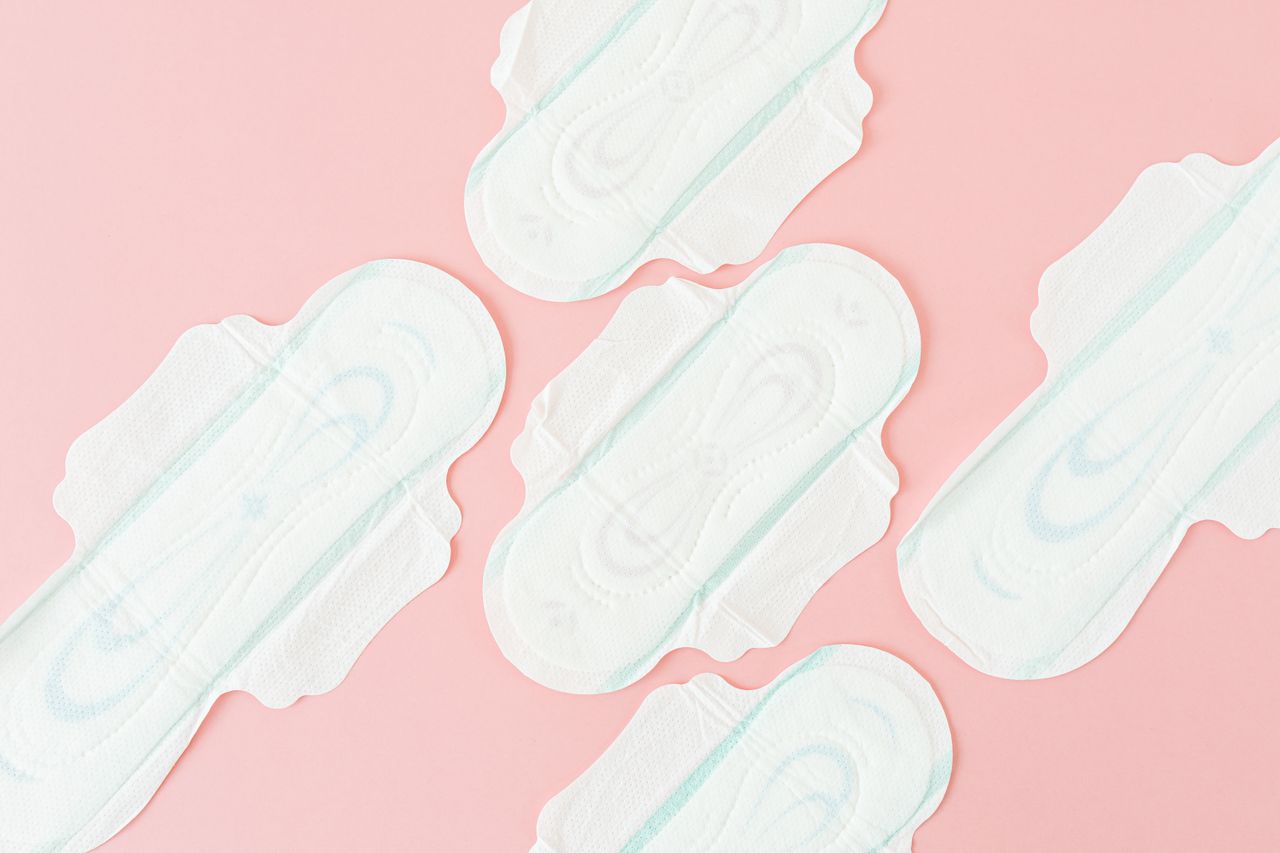
That’s why design here deserves more attention than it gets. People talk about performance, but not always about the small decisions that decide whether someone feels comfortable leaving the house, sitting through a train journey or getting through work without a second thought. Texture, fit, packaging, absorbency, even the name on the box, all shape how normal it feels to buy and use.
For anyone comparing options, pages such as TENA lady are useful not because they make the subject glamorous, but because they show how much thought now goes into products once treated as purely medical. That shift matters. It reflects a healthier attitude: practical support doesn’t have to come wrapped in embarrassment.
What people actually value
- Discretion that doesn’t feel flimsy
- Clear sizing and absorbency guidance
- Packaging that is easy to store and carry
- Materials that put comfort ahead of bulk
There’s also something quietly important about seeing these items discussed in ordinary terms. Not as a punchline, not as a taboo, and not as a hard sell, just as part of modern life and good product design. For an ageing population, and for plenty of younger people dealing with temporary or ongoing health changes, that feels like progress worth noticing.
Featured image credit: kaboompics via pexels.